


In Anchorage, winter darkness sets in early and lingers — which makes outdoor lighting more than a nice-to-have. Well-designed landscape lighting in Anchorage keeps paths and steps safe through icy months, adds security, and turns a yard that disappears at 4 p.m. into an inviting space you can actually enjoy. This guide covers the types of lighting, where to place them, and how to design a system built for Alaska’s long nights.
Why Landscape Lighting Matters Here
Our extreme seasonal daylight swing is the whole story. During the dark months, homeowners come and go in near-total darkness, and unlit walkways, steps, and driveways become slip-and-fall hazards on ice and snow. Beyond safety, good outdoor lighting in Anchorage delivers real value:
- Safety. Lit paths, steps, and entries prevent falls on ice and snow.
- Security. A well-lit exterior deters prowlers and helps you see what’s around.
- Curb appeal. Lighting highlights your home and landscaping year-round.
- Usability. It extends how and when you can use outdoor spaces during dark evenings.
In a place where it’s dark for much of the day in winter, lighting is one of the highest-impact upgrades a yard can get.
Types of Landscape Lighting
Different fixtures do different jobs. A good system mixes several:
| Type | What it does | Best for |
|---|---|---|
| Path lights | Low lights along walkways | Safe passage, borders |
| Spotlights / uplights | Accent trees, features, façade | Drama, curb appeal |
| Step / deck lights | Mark stairs and edges | Fall prevention |
| Wash / flood lights | Broad, even illumination | Security, wide areas |
| Well lights | In-ground fixtures that uplight from below grade | Tree trunks, columns, a clean look with no visible fixture |
| Downlights (“moonlighting”) | Soft light from above | Natural, ambient feel |
Most yards use pathway lighting for safety, uplights to feature trees and the home, and step lights on any stairs — the combination that covers both function and looks.
Low-Voltage vs. Solar
Two common systems, two different fits for Alaska:
- Low-voltage landscape lighting runs on a transformer and wired fixtures. It’s reliable, bright, controllable, and works no matter the weather — the dependable choice for our winters.
- Solar lighting is easy to install and wire-free, but it depends on sunlight to charge. Given Anchorage’s short, dim winter days, solar often underperforms exactly when you need light most.
For consistent winter performance, low-voltage wins in most Anchorage yards; solar can supplement in spots where running wire isn’t practical.
Designing for Alaska’s Long Nights
Good landscape lighting design is about placing light where it earns its keep — not lining the yard with glare. A few principles:
- Prioritize safety routes first. Light every path, step, and entry people use in the dark.
- Layer the light. Combine path, accent, and ambient fixtures for depth instead of one harsh source.
- Aim to avoid glare. Position and shield fixtures so they illuminate surfaces, not eyes.
- Feature a few focal points. Uplight a standout tree or architectural detail rather than everything.
- Plan for snow. Mount and place fixtures so they clear snow load and stay effective when it piles up.
- Use timers or photocells. Automate on/off so the yard lights itself through long evenings.
- Add motion where it counts. Motion-activated lights on driveways, side yards, and back doors add security without running all night. Many low-voltage systems can also be scheduled and adjusted from a phone app.
Thoughtful placement is what separates lighting that feels warm and intentional from a yard full of scattered glare.
Built for Alaska: Fixtures, Wiring, and Maintenance
Lighting that looks great in August can fail by January if the hardware isn’t built for our winters. A few details make the difference:
- Cold-rated, corrosion-resistant fixtures. Choose fixtures rated for subzero temperatures, with sealed housings that stand up to moisture and de-icer.
- A protected transformer. Mount the transformer in a sturdy, weather-rated housing on a GFCI-protected circuit.
- Wiring that survives frost heave. Run cable in protective conduit where it crosses areas that shift, and leave slack at each fixture so freeze-thaw movement doesn’t pull connections apart.
- Test before backfilling. Check voltage at the far fixtures, circuit continuity, and the timer or photocell before trenches are closed.
Twice-a-Year Maintenance
- Spring, after breakup: Clean lenses, re-aim fixtures that shifted, test every circuit, and check wiring that may have moved during freeze-thaw.
- Fall, before snow: Reset timers for winter hours, replace worn gaskets and burned-out lamps, and make sure path and step lights sit high enough to clear snow.
Plan It With the Rest of Your Yard
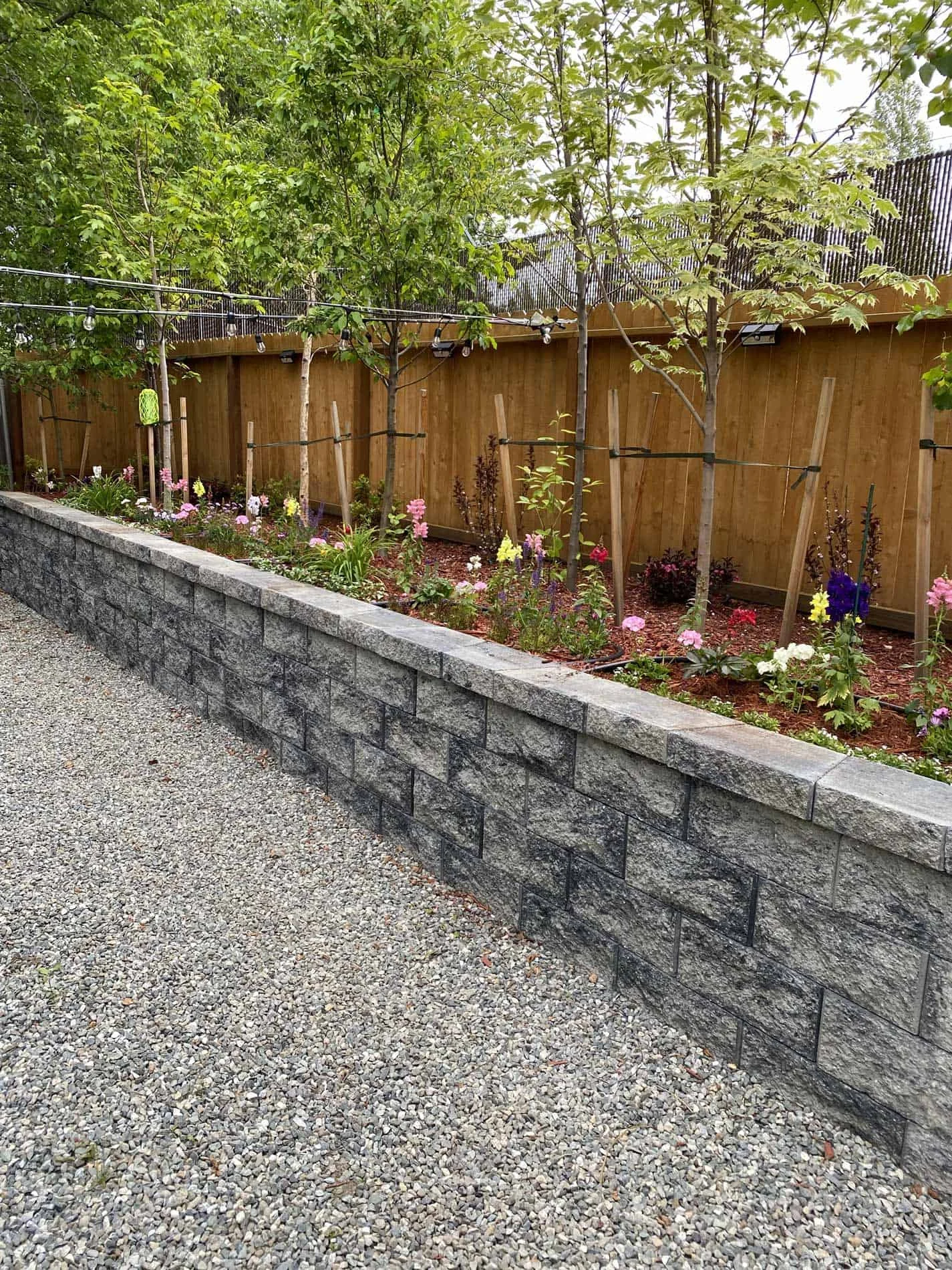
Lighting works best when it’s designed alongside your hardscape and plantings rather than added as an afterthought. If you’re already investing in the yard, fold lighting into the plan — it pairs naturally with the kind of durable, year-round approach in our guide to low-maintenance landscaping that thrives through Anchorage winters, and you can phase it affordably, as we cover in budget landscaping for Anchorage.
How to Get Started
- Map your safety routes — paths, steps, driveways, and entries.
- Choose fixture types for each job (path, accent, step, wash).
- Pick a system — low-voltage for reliable winter performance.
- Design the layers and focal points, avoiding glare.
- Automate with timers or photocells for the dark months.
For a system designed and installed to handle Alaska winters — snow, wiring, and all — our landscaping services in Anchorage can plan and build lighting that makes your yard safe and beautiful year-round.
Which Approach Is Right for You?
If you want dependable light all winter, a low-voltage system focused first on safety routes, then accents, is the way to go. If you’re phasing a budget, start with path and step lights where falls are most likely and add accent lighting later. Either way, in a city this dark in winter, landscape lighting is one of the most practical and rewarding upgrades you can make.
Ready to light up your yard for the dark months? Be Happy Property Services proudly serves Anchorage, AK and surrounding communities with clean, dependable, local landscaping. Call 907-336-7434 or visit our contact page to request a free, no-pressure estimate.
Frequently Asked Questions
Why is landscape lighting important in Anchorage?
Because Anchorage winters bring long hours of darkness, landscape lighting in Anchorage is essential for safety — lit paths, steps, and entries prevent falls on ice and snow. It also adds security, boosts curb appeal, and lets you use outdoor spaces during the dark evenings that dominate much of the year.
Is low-voltage or solar lighting better for Alaska?
Low-voltage landscape lighting is usually the better choice for Alaska because it’s wired to a transformer and works reliably regardless of weather or daylight. Solar lighting depends on sunlight to charge, so it often underperforms during Anchorage’s short, dim winter days — exactly when you need the light most.
Where should I place landscape lighting?
Start with safety: light every walkway, step, driveway, and entry used after dark. Then layer in accent lighting to feature a tree or the home’s façade, and add step lights on stairs. Good placement illuminates surfaces without shining glare into your eyes, creating both function and a warm, inviting look.
How do I keep landscape lighting working through snow?
Plan for snow load when placing fixtures — mount path and step lights where they won’t be buried, and choose durable, weather-rated fixtures. Low-voltage systems handle winter well, and timers or photocells keep the yard lit automatically. A professional install accounts for snow, wiring depth, and Alaska conditions.
How often should landscape lighting be maintained?
Twice a year works well in Anchorage. In spring, clean lenses, re-aim fixtures, and test circuits after freeze-thaw. In fall, reset timers for winter hours and replace worn gaskets and lamps before the snow arrives.
Can landscape lighting be added on a budget?
Yes. Landscape lighting design can be phased — start with path and step lights where falls are most likely, then add accent and feature lighting later. Choosing a low-voltage system lets you expand over time on the same transformer, so you can build a complete, safe setup in stages that fit your budget.